Best Wood Chippers for Small Farms in 2026
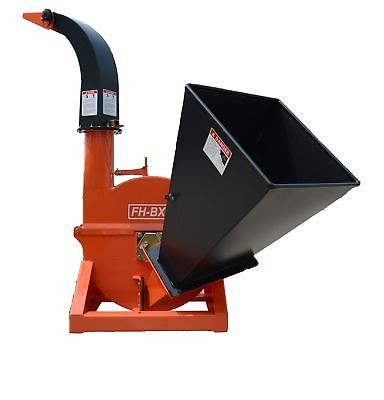
Small farm properties accumulate woody debris faster than most owners anticipate. Storm damage, fence line clearing, orchard pruning, and seasonal brush management generate branches and limbs that either need to be burned, hauled off, or processed on-site. A wood chipper converts that waste stream into mulch, compost material, or trail surface — turning a disposal problem into a useful byproduct.
The decision between PTO-driven and gas-powered chippers is the most consequential choice in this category. PTO chippers connect to a tractor’s power take-off shaft and borrow engine power from an existing machine, which eliminates the cost and maintenance of a second engine. Gas-powered chippers are self-contained and portable but add another engine to the maintenance rotation. This guide covers both types based on manufacturer specifications, organized by chipping capacity and power requirements.
Key Specifications Explained
Before comparing specific models, understanding what the numbers on a spec sheet actually mean helps avoid expensive mismatches.
Chipping Capacity
Chipping capacity refers to the maximum branch diameter the machine is rated to process. Manufacturers measure this at the widest point of the infeed opening. A “4-inch chipper” can accept branches up to 4 inches in diameter — but that is a maximum rating under ideal conditions. Per manufacturer guidance, sustained chipping is typically most efficient at 60-75% of rated capacity. A 4-inch chipper handles 3-inch material all day; 4-inch hardwood will require slower feeding and more engine power.
For small farm use, 4-inch capacity covers the majority of pruning and brush clearing tasks. Properties with mature hardwoods or storm-damaged trees generating 6-inch or larger limbs need a larger machine — or a chainsaw to buck material down to size before feeding.
Engine/PTO Horsepower
Gas-powered chippers list engine horsepower directly. PTO chippers list a minimum PTO HP requirement instead, since they draw power from the tractor. The critical distinction: PTO HP is not the same as the tractor’s rated engine HP. A tractor rated at 30 engine HP may deliver only 24-25 PTO HP after drivetrain losses. Always match the chipper’s PTO requirement against the tractor’s PTO output, not its hood rating. Tractor PTO HP can typically be found in the manufacturer’s specification sheet or operator’s manual. For help sizing tractors, see the compact tractor guide.
Feed Type
Wood chippers use one of three feed mechanisms:
| Feed Type | How It Works | Pros | Cons |
|---|---|---|---|
| Gravity feed | Branches are fed into a top-mounted hopper and gravity pulls them into the cutting mechanism | Simplest design, lowest cost, fewest moving parts | Requires manual feeding, slower throughput |
| Self-feeding / hydraulic roller | Hydraulic rollers grip branches and pull them through automatically | Faster throughput, less operator effort, handles irregular shapes better | Higher cost, more maintenance, requires adequate hydraulic pressure |
| Combination | Manual feed chute plus a separate shredder hopper for leaves and small debris | Processes both branches and organic debris | More complex, typically found only on chipper/shredder combos |
Chip Output
Chip size is controlled by internal screens or blade configuration. Smaller chips (under 1 inch) decompose faster and work better as mulch or compost. Larger chips (1-3 inches) last longer as trail or path surface material. Some chippers offer adjustable chip size; others produce a fixed size based on blade geometry. Per manufacturer data, most gravity-feed chippers in the 4-inch class produce chips in the 1-2 inch range.
Top Wood Chippers for Small Farms
Wallenstein BX42S - Best PTO Chipper for Most Small Farms
| Specification | Value |
|---|---|
| Chipping Capacity | 4” diameter |
| Power Requirement | 18-30 PTO HP |
| Feed Type | Gravity feed |
| Rotor Type | Drum style, 2 reversible knives |
| Chip Size | Adjustable (screen kit optional) |
| Discharge | 270-degree swivel chute |
| Hitch | Category 1, 3-point |
| PTO Speed | 540 RPM |
| Weight | 365 lbs |
| Price Range | $3,200-$3,800 |
According to Wallenstein’s specifications, the BX42S is a drum-style chipper designed for tractors in the 18-30 PTO HP range — which covers the majority of compact tractors used on small farms. The gravity-feed design keeps the mechanism simple: two reversible double-edged knives on a flywheel drum pull material through the infeed and eject chips through a 270-degree swivel discharge chute.
Per the product data sheet, the reversible knives provide four cutting edges per set before replacement is needed. Knife changes require basic hand tools and can be completed in approximately 15-20 minutes per manufacturer maintenance instructions. Replacement knife sets are widely available through Wallenstein dealers and online retailers.
The 365-lb weight is manageable on compact tractors rated for Category 1 three-point implements without ballast concerns. The 270-degree discharge chute allows directing chips into a trailer, truck bed, or onto the ground without repositioning the tractor.
Best for: Small farms with a compact tractor in the 25-40 HP range that need to process pruning waste, storm debris, and fence line clearing material up to 4 inches in diameter.
Check Wallenstein BX42S prices on Amazon
Woodland Mills WC68 - Best for Larger Material
| Specification | Value |
|---|---|
| Chipping Capacity | 6” diameter |
| Power Requirement | 25-50 PTO HP |
| Feed Type | Gravity feed |
| Rotor Type | Drum style, 2 reversible knives |
| Chip Size | Adjustable screen (included) |
| Discharge | 360-degree swivel chute |
| Hitch | Category 1, 3-point |
| PTO Speed | 540 RPM |
| Weight | 590 lbs |
| Price Range | $4,500-$5,200 |
The Woodland Mills WC68 steps up to 6-inch chipping capacity for properties that regularly deal with larger limbs. According to Woodland Mills’ product documentation, the WC68 requires a minimum of 25 PTO HP, which places it at the upper end of what most compact tractors deliver. Buyers running this chipper should verify their tractor’s PTO output meets or exceeds 25 HP under load — not just at rated speed with no implement attached.
Per the manufacturer specs, the WC68 includes an adjustable chip size screen as standard equipment rather than an optional accessory. The 360-degree discharge chute offers full-circle directional control. At 590 lbs, this chipper is heavier than the BX42S and may require rear ballast or a front-end loader counterweight on lighter compact tractors to maintain safe weight distribution.
Woodland Mills sells direct to consumer and through select dealers. Per their documentation, parts and replacement knives are available direct from the manufacturer with typical shipping times of 3-5 business days.
Best for: Properties with mature trees generating 4-6 inch storm debris, or operations that need to process larger volumes of brush quickly. Requires a tractor with at least 25 PTO HP at the shaft.
Check Woodland Mills WC68 prices on Amazon
Brave Pro Series - Best Gas-Powered Chipper
| Specification | Value |
|---|---|
| Chipping Capacity | 4” diameter (chipper) / 2.5” (shredder) |
| Engine | 420cc Brave OHV (14 HP) |
| Feed Type | Combination (top chute + side shredder hopper) |
| Rotor Type | Disc style, 2 chipper knives + 8 shredder hammers |
| Chip Size | Fixed (chipper), variable (shredder) |
| Discharge | Adjustable deflector |
| Tow Package | Highway-rated tow bar with DOT lighting kit |
| Weight | 408 lbs |
| Price Range | $2,200-$2,800 |
For farms without a PTO-equipped tractor — or where portability matters more than raw throughput — gas-powered chipper/shredders operate independently. According to Brave’s product data sheet, this model combines a 4-inch disc chipper with a separate shredder hopper that processes leaves, small branches up to 2.5 inches, and garden debris through hammer-style blades.
Per the manufacturer specifications, the 420cc OHV engine provides 14 HP and starts via recoil or optional electric start. The highway-rated tow bar with DOT-compliant lighting allows towing behind an ATV, UTV, or truck between work sites without loading onto a trailer. This portability advantage is significant for properties with scattered brush piles or multiple fence lines requiring cleanup.
The trade-off compared to PTO chippers: the gas engine requires its own maintenance schedule (oil changes, air filter, spark plug, carburetor service), and 14 HP processes 4-inch material noticeably slower than a 25+ PTO HP tractor-driven unit. According to manufacturer throughput estimates, expect roughly half the volume per hour compared to a PTO chipper of equivalent capacity rating.
Best for: Farms without a PTO tractor, properties needing a towable unit for remote brush piles, or operations that also need to shred leaves and garden waste.
Check Brave chipper shredder prices on Amazon
Titan Attachments 3-Point PTO Chipper - Best Budget PTO Option
| Specification | Value |
|---|---|
| Chipping Capacity | 4” diameter |
| Power Requirement | 15-45 PTO HP |
| Feed Type | Gravity feed |
| Rotor Type | Disc style, 2 knives |
| Chip Size | Fixed |
| Discharge | Directional chute |
| Hitch | Category 1, 3-point |
| PTO Speed | 540 RPM |
| Weight | 281 lbs |
| Price Range | $1,300-$1,700 |
Titan Attachments positions this chipper as an entry-level PTO option at roughly half the price of the Wallenstein BX42S. According to Titan’s product specifications, the minimum PTO requirement is 15 HP, which opens compatibility with subcompact tractors that lack the power for heavier chippers. For subcompact tractor options, see the subcompact tractor guide.
At 281 lbs, this is the lightest PTO chipper in this comparison. Per the product data, the disc-style rotor with two knives handles material up to 4 inches, though throughput will be slower than drum-style designs at equivalent HP input. The fixed chip size (no screen adjustment) limits versatility — chips tend to be larger and less uniform than screen-equipped competitors based on manufacturer product descriptions.
The lower price point does come with trade-offs in build quality. Based on manufacturer materials, the housing and chute are lighter gauge steel than premium competitors. For occasional use (seasonal cleanups, post-storm processing), the cost savings may justify the reduced durability. For weekly or daily use, the more robust Wallenstein or Woodland Mills options are designed for higher-duty cycles.
Best for: Budget-conscious buyers with lighter chipping needs and a tractor in the 20-45 HP range. Best suited for occasional rather than continuous use.
Check Titan PTO chipper prices on Amazon
DR Power Premier 375 - Best for Mixed Yard and Farm Debris
| Specification | Value |
|---|---|
| Chipping Capacity | 3.75” diameter (chipper) / 1.5” (shredder) |
| Engine | 250cc Briggs & Stratton OHV (8.75 ft-lbs torque) |
| Feed Type | Combination (top chute + side shredder hopper) |
| Rotor Type | Disc style, 2 chipper knives + shredder screen |
| Chip Size | Fixed (chipper), screen-controlled (shredder) |
| Discharge | Adjustable deflector |
| Mobility | Integrated wheels, hand-push |
| Weight | 175 lbs |
| Price Range | $1,100-$1,400 |
The DR Power Premier 375 sits at the lighter end of the spectrum. According to DR Power’s product documentation, this unit targets properties where brush chipping and yard debris shredding are roughly equal parts of the workload. The 3.75-inch chipper capacity handles pruning waste from most fruit trees and ornamental plantings, while the shredder hopper processes leaves, stalks, and small branches into compost-ready material.
Per the manufacturer’s specifications, the 250cc Briggs & Stratton engine delivers 8.75 ft-lbs of gross torque. This is significantly less power than the other units in this guide, which limits it to softer woods and well-seasoned hardwood branches at the upper end of its capacity rating. Green hardwood at 3.75 inches will stall this engine based on manufacturer guidance recommending operation at 60-75% of rated capacity for sustained chipping.
At 175 lbs with integrated wheels, this is the most portable option in the comparison. It does not require a tractor, tow vehicle, or trailer — one person can wheel it to the work site. That portability advantage matters for properties where debris is scattered across multiple areas without vehicle access.
Best for: Small acreages (1-10 acres) where the primary tasks are orchard pruning, garden waste processing, and light brush chipping. Not suited for storm cleanup involving 4-inch or larger hardwood limbs.
Check DR Power chipper shredder prices on Amazon
Full Comparison Table
| Spec | Wallenstein BX42S | Woodland Mills WC68 | Brave Pro Series | Titan PTO Chipper | DR Power Premier 375 |
|---|---|---|---|---|---|
| Max Capacity | 4” | 6” | 4” (chipper) | 4” | 3.75” (chipper) |
| Power Source | PTO (18-30 HP) | PTO (25-50 HP) | 420cc gas (14 HP) | PTO (15-45 HP) | 250cc gas (8.75 ft-lbs) |
| Feed Type | Gravity | Gravity | Combination | Gravity | Combination |
| Rotor Type | Drum | Drum | Disc | Disc | Disc |
| Chip Size | Adjustable (optional) | Adjustable (included) | Fixed / Variable | Fixed | Fixed / Screen |
| Weight | 365 lbs | 590 lbs | 408 lbs | 281 lbs | 175 lbs |
| Tractor Required | Yes | Yes | No | Yes | No |
| Price Range | $3,200-$3,800 | $4,500-$5,200 | $2,200-$2,800 | $1,300-$1,700 | $1,100-$1,400 |
Who This Is NOT For
Not every small farm needs to own a wood chipper. Consider alternatives if:
-
Debris volume is low and infrequent. If brush clearing happens once or twice per year, renting a commercial chipper for $200-$400/day is more economical than owning one. Rental units also tend to be larger and faster than anything in the residential or light-commercial price range.
-
Material regularly exceeds 6 inches in diameter. None of the chippers in this guide are rated for logs or large-diameter trunk sections. Properties with heavy timber management needs require commercial-grade drum chippers (12-inch capacity and above) that start at $10,000+ and demand 50+ PTO HP. For those operations, contract chipping services are typically the most cost-effective option.
-
The primary goal is firewood processing. Wood chippers reduce material to chips, not firewood-length splits. A log splitter and chainsaw are the correct tools for firewood production. Chippers and log splitters serve different purposes despite both processing wood.
-
Local burn regulations allow open burning. In jurisdictions where brush burning is permitted and practical, a match is cheaper than any chipper. However, burn bans are increasingly common in many states, and chipping avoids the fire risk, smoke complaints, and timing constraints that come with open burning.
-
The farm has no tractor and no plan to buy one. PTO chippers deliver the best performance-per-dollar in this category, but they require a tractor to operate. Buying a gas-powered chipper as a stopgap while planning a tractor purchase makes sense only if the gas chipper meets long-term needs on its own. Otherwise, the tractor purchase often makes more economic sense when combined with other implement needs — see the compact tractor guide for sizing recommendations.
Maintenance Considerations
Regardless of power source, wood chipper maintenance follows a predictable pattern per manufacturer service documentation:
- Knife sharpening or replacement: Every 20-40 hours of operation depending on material hardness. Dull knives increase fuel consumption, reduce chip quality, and strain the engine or PTO drivetrain.
- Belt inspection (disc-style chippers): Drive belts wear and should be inspected every 10-15 hours of operation per manufacturer schedules.
- Bearing greasing: Most chippers have grease fittings on the rotor bearings. Manufacturer intervals vary but typically call for greasing every 8-10 hours of operation.
- Gas engine maintenance (gas-powered units only): Oil changes per engine manufacturer schedule (typically every 50 hours), air filter inspection, spark plug replacement annually.
Keeping spare knives on hand avoids downtime during seasonal clearing work. Per manufacturer parts pricing, replacement knife sets for the chippers in this guide range from $25-$75 per set depending on the model.
Sources
- Wallenstein Equipment product specifications and operator manuals (wallensteinequipment.com)
- Woodland Mills product documentation (woodlandmills.com)
- Brave product data sheets (braveproducts.com)
- Titan Attachments product specifications (titanattachments.com)
- DR Power Equipment product documentation (drpower.com)
- ASABE standards for PTO speed and hitch category classifications